Thinking about a home in New Hope’s 18938? You are not alone. The area blends walkable charm, river views, and quiet countryside in a way few markets can match. In this guide, you will learn how the local market really moves by price band, micro-neighborhood, timing, and buyer type, plus how to read comps with confidence. Let’s dive in.
How the 18938 market works
Geography and lifestyle drivers
New Hope sits along the Delaware River with quick access to Lambertville, Doylestown, and major corridors to Philadelphia and New York. The arts scene, dining, and retail strip bring steady interest year-round. You see demand from both local residents and second-home buyers who want a weekend retreat within easy reach. Walkability and scenic value often command a premium.
Housing types and infrastructure
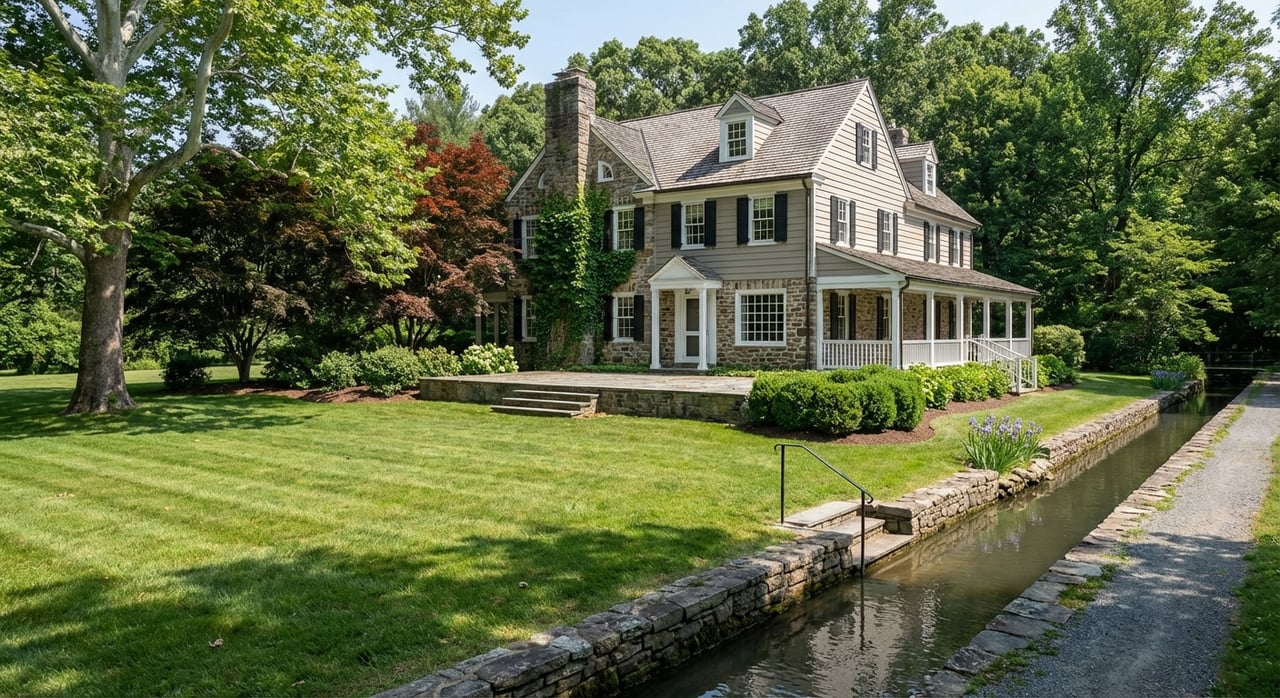
You will find historic townhouses downtown, renovated riverfront homes, single-family houses in nearby townships, and larger estates on acreage. Some homes carry historic designation that shapes what you can change and how. Many downtown properties have municipal sewer and water, while estate settings often use well and septic. These differences affect maintenance, inspections, and buyer comparisons.
Price bands in New Hope
Entry options
Entry-tier homes in 18938 include smaller condos, townhomes, and modest single-family houses. They appeal to first-time buyers and downsizers who value walkability and convenience. Expect strong competition for well-located, move-in ready options.
Mid-market
The mid band includes renovated single-family homes, larger townhouses, and near-river properties on small lots. These homes attract established professionals and families looking for updated systems and functional layouts. Proximity to amenities and condition are big price drivers.
Luxury definitions
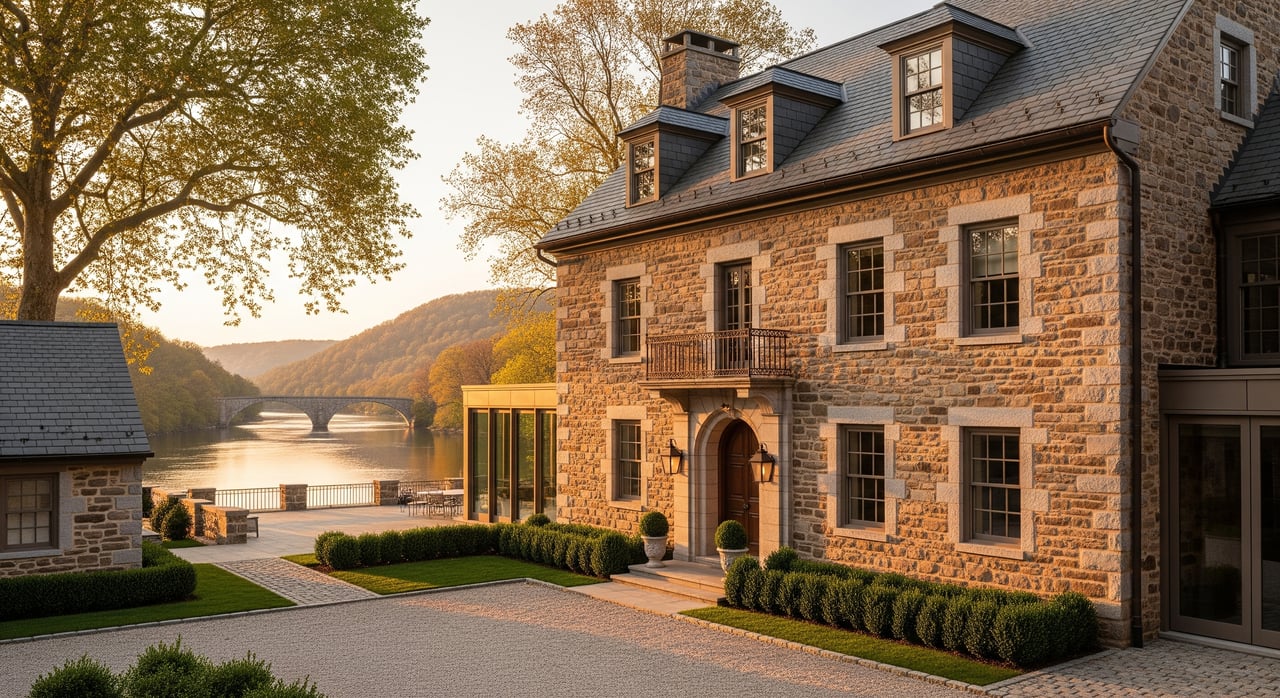
Luxury in New Hope is about uniqueness and setting. Prime riverfront, walkable downtown locations, larger estates with privacy, architecturally significant homes, and custom builds set the tier. Finishes, views, lot size, and historic provenance carry more weight than square footage alone.
Micro-neighborhood dynamics
Downtown walkability premium
Homes near the Main Street corridor often achieve the highest price per square foot. Buyers pay for front-door access to restaurants, galleries, and events. Lots are smaller, so the premium reflects lifestyle rather than land.
Riverfront considerations
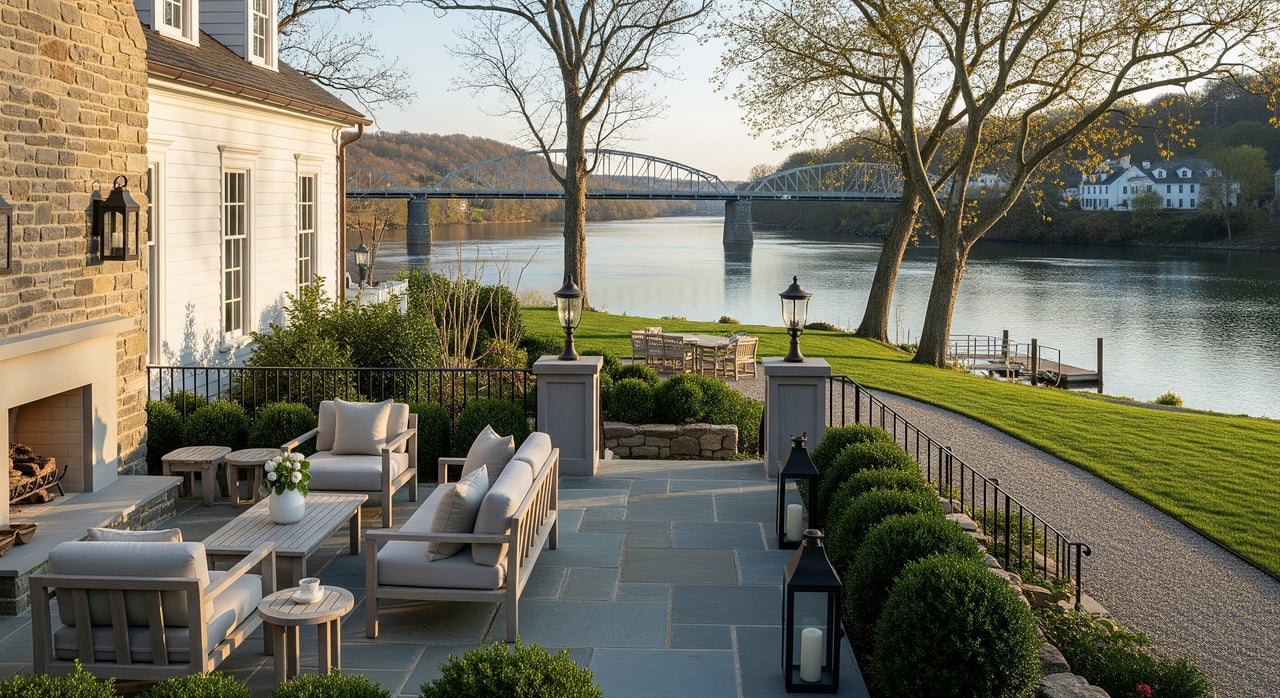
River views and access bring consistent premiums, but details matter. Floodplain status, bank stabilization, and the presence of a dock influence pricing and insurability. Elevation certificates and insurance quotes are essential for an apples-to-apples comp review.
Surrounding townships and acreage
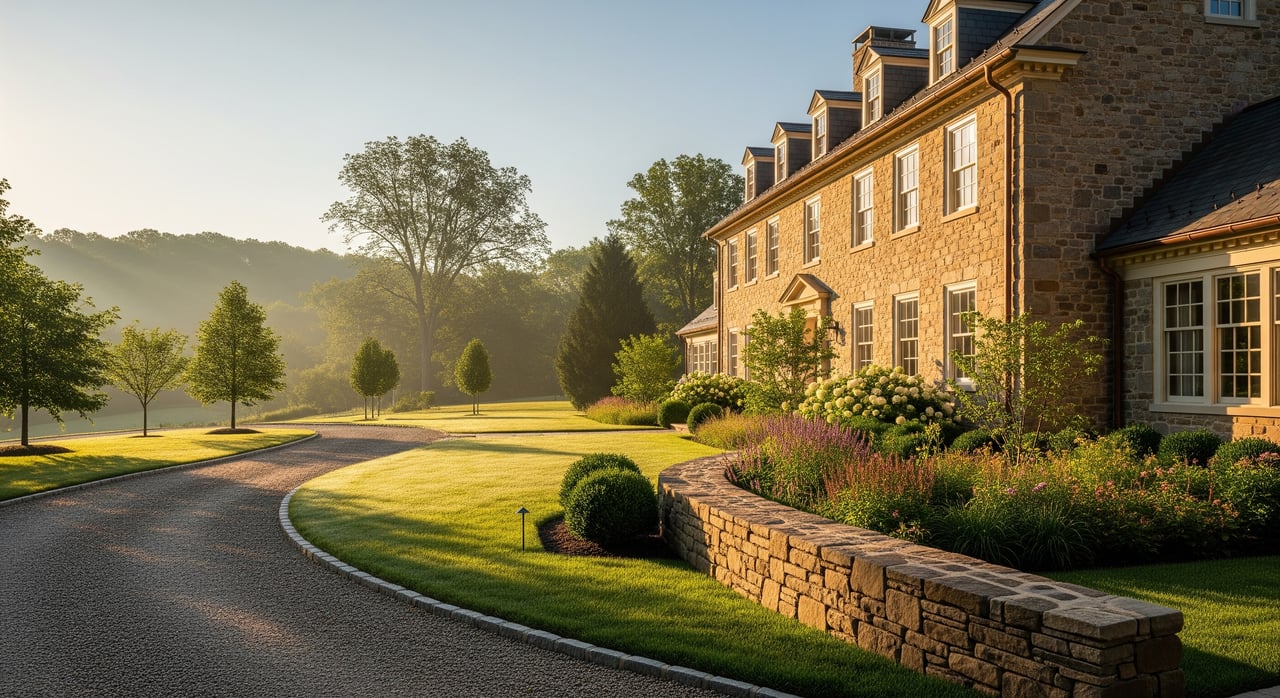
Solebury, Upper Makefield, and nearby areas offer larger lots, privacy, and estate-scale properties. Buyers here often prioritize acreage, equestrian uses, or modern custom homes. Expect pricing to vary with usable land, views, and outdoor features like pools and terraces.
Newer subdivisions and infill
Newer homes and infill builds attract buyers who are price sensitive but want a modern layout and amenity package. Finishes, storage, and garages drive value. These properties compete on condition, not just location.
Who is buying in 18938
Primary-residence buyers
Local professionals and families look for manageable commutes, community amenities, and walkable options. Many use financing and weigh taxes, utilities, and school district boundaries as part of total monthly cost. Lender-friendly comps and clean inspections help these buyers move quickly.
Second-home and weekend buyers
Philadelphia and NYC buyers often prefer turnkey homes near restaurants and the arts. Many pay cash and close on faster timelines. They value low-maintenance living and high-quality finishes.
Retirees and downsizers
This group focuses on low maintenance and easy living. Smaller properties or renovated historic homes with modern systems are popular choices. Single-level layouts or main-level bedrooms reduce long-term upkeep.
Luxury buyers and investor lens
Luxury buyers are patient and selective. They seek privacy, provenance, and top-tier craftsmanship more than speed. Investors considering short-term rental potential should verify local ordinances and any HOA rules before assuming income.
Timing and days on market
What DOM signals
For 18938, think in ranges. A fast market is typically under 30 days for well-positioned homes in prime locations. Many listings land in a typical 30 to 90 day window when priced correctly. Over 90 days can signal overpricing, unique property attributes, or issues like floodplain or permitting.
What speeds up a sale
Accurate pricing tied to current comps is the single biggest lever. Pre-listing inspections, clear disclosures, and professional staging reduce friction. High-quality photography and targeted marketing to out-of-area buyers broaden the pool. Flexible showing windows help capture weekend and commuter traffic.
What slows it down
Overpricing, deferred maintenance, and regulatory hurdles can extend days on market. Historic constraints and flood zones narrow the buyer pool if not addressed upfront. Thin marketing or limited showing access also reduces momentum.
Seasonality to expect
Spring and summer bring more listings and tourist traffic, which increases showings and second-home interest. Fall and winter often feature more serious local buyers and fewer competing listings. Well-priced homes can stand out in the colder months.
How to read comps in 18938
Selecting comps
Focus on closed sales from the last 6 to 12 months, then layer in current active and pending listings to see your competition. Keep geography tight for downtown and townhomes, often within a half mile. For estates and acreage, widen the radius but match lot size, privacy, and views.
Adjustment checklist
Use a consistent lens when scoring each comp:
- Condition and renovations to kitchens, baths, systems, roof, and windows
- Lot and outdoor features like river frontage, usable acreage, pool, terraces, driveway and garage
- Historic designation and the scope of permitted changes
- Utilities and systems, including municipal sewer and water versus well and septic
- Floodplain status, elevation, and insurance implications
- Functional layout, bedroom-bath count, main-level bedroom, finished lower level, and accessory units
Build a comp set
A practical set includes 3 to 5 closed matches, 3 to 5 active or pending listings, and 1 to 2 expired or withdrawn properties to show resistance points. For unique or luxury homes, consider one or two out-of-area comps if buyers cross-shop nearby markets. When numeric adjustments are uncertain, use qualitative reasoning and lean conservative.
When to bring in pros
Use your agent’s access to MLS data and county records for real-time numbers. Consider an appraiser for complex properties or when pricing spans multiple micro-locations. For river-adjacent homes, obtain elevation details and insurance guidance early.
Local rules, taxes, and logistics
Property taxes and transfer costs
Taxes vary by municipality and school district, which affects monthly payments and overall affordability. You should also budget for state and local transfer taxes plus recording fees at closing. Confirm current rates with county resources or your title company.
Historic districts and permits
Some properties sit within local or national historic districts that require design review for exterior changes. This shapes renovation timelines and contractor selection. Buyers who value preservation often see added long-term benefit.
Floodplain and insurance
Riverfront and near-river homes may sit in FEMA flood zones. Work with your agent and insurer to review elevation certificates and flood insurance options. Lenders and appraisers will factor flood risk into underwriting and value.
HOA and short-term rental rules
If a property is in an HOA, review restrictions that affect renovations and leasing. Short-term rental ordinances can limit income potential. Always verify rules before you buy.
Buyer playbooks
- If you prioritize walkability: Focus on downtown townhomes and condos. Get pre-approved, review historic guidelines, and compare municipal utilities versus well and septic.
- If you want riverfront: Start insurance and flood due diligence early. Verify bank stabilization, dock permits, and elevation details before you write.
- If you want acreage and privacy: Search Solebury and nearby townships. Value usable land, driveway access, and outbuilding potential over raw square footage.
- If you plan to downsize: Target renovated historic homes or newer low-maintenance builds with first-floor living. Ask for utility history and recent system updates.
Seller playbook
Price to the most relevant comps and micro-location. A pre-listing inspection, service records, and a clean disclosure package build trust. Professional staging and photography help capture both local and out-of-market buyers. Make showings flexible and align marketing with seasonal traffic to maximize momentum. Expect cash buyers to prefer faster closings and primary-residence buyers to focus on inspections and appraisal.
When you are ready to talk strategy tailored to your property, connect for a private, confidential consultation with Lisa Frushone.
FAQs
What makes 18938 pricing different from nearby towns?
- Location premiums are sharper. Downtown walkability and riverfront views command higher price per square foot, while estates on acreage price more on land, privacy, and outdoor features.
How do I compare riverfront homes in New Hope fairly?
- Line up elevation, flood zone, insurance quotes, bank condition, and any dock or access details. Adjust for view quality, lot usability, and recent renovations.
How long do homes in 18938 usually take to sell?
- Well-positioned homes can move in under 30 days, typical listings in 30 to 90 days, and unique or over-priced homes may exceed 90 days. Pricing and condition are key drivers.
How should I choose comps for a historic townhouse?
- Use a tight radius, match property age and type, and weigh system updates and permitted changes. Give strong weight to municipal utilities and parking or garage access.
What should I budget beyond the purchase price in Bucks County?
- Plan for property taxes, transfer taxes, title and recording fees, inspections, insurance, and any HOA fees. Exact amounts vary by municipality and property type.
Are short-term rentals allowed in New Hope properties?
- Rules vary by municipality and HOA. Verify local ordinances and community bylaws before assuming rental income or planning a mixed-use strategy.