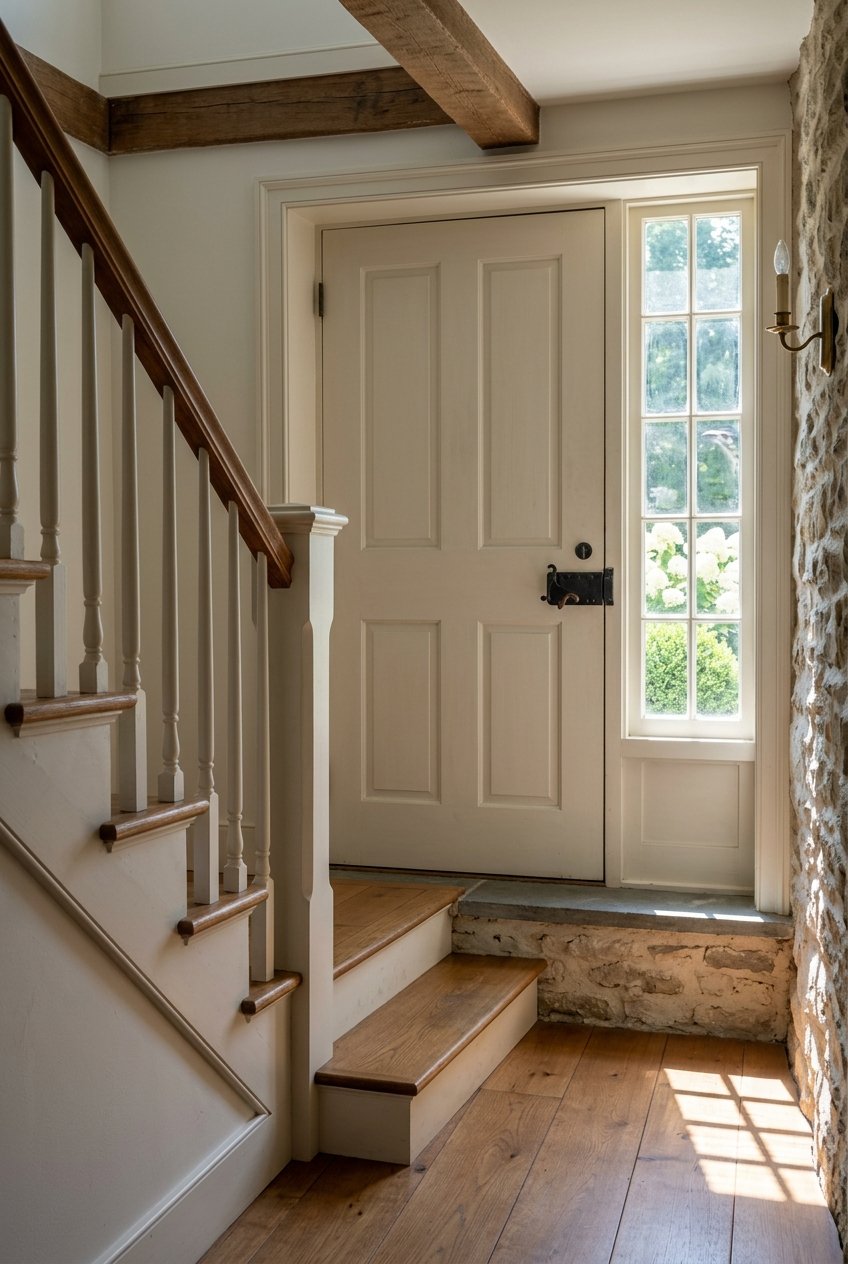
If you are drawn to old stone walls, deep window sills, and the quiet presence of a home that has stood for generations, Solebury Township can feel irresistible. Buying a historic home here can also be more layered than buying a newer property, especially when preservation rules, rural utilities, and insurance details come into play. The good news is that with the right planning, you can move forward with clarity and confidence. Let’s dive in.
Why Solebury Historic Homes Stand Out
Solebury Township’s historic landscape reaches back to the late 17th and early 18th centuries. The township identifies six historic districts: Carversville, Center Bridge, Cuttalossa, Lumberville, Phillips Mill, and Upper Aquetong Valley.
What makes these homes special is not just age. In Solebury, historic value is often tied to the building’s roofline, window pattern, porch details, masonry, and how the home sits within the surrounding landscape. That means the setting of the property can matter just as much as the finishes inside.
For buyers, this creates a different kind of search. You are not only choosing a house. You are also choosing a relationship to the land, the streetscape, and in some cases, local preservation review.
What Historic Districts Mean in Solebury
Not every historic designation works the same way. One of the biggest points to understand before you make an offer is that a historic label does not automatically mean the same restrictions apply from one property to another.
The most important local distinction in Solebury is that the township’s Historical Architectural Review Board, or HARB, reviews proposed construction and renovation projects only in the two regulated historic districts: Carversville and Phillips Mill. In those districts, a Certificate of Appropriateness is part of the review process, and HARB applications are handled separately from the standard permit portal.
By contrast, National Register status alone does not place federal restrictions on a private owner unless a project involves federal assistance. In practical terms, the rules that matter most to you are usually local, parcel-specific, and tied to the exact property.
The key question to ask
Before moving forward, ask which layers of protection apply to the parcel. A property may involve:
- National Register status
- A local historic-district ordinance
- A recorded conservation or facade easement
- Zoning, buffer, or setback constraints
This step matters because two homes that look similar from the road may come with very different approval requirements.
What You May See by Area
Solebury’s historic districts each have a distinct feel shaped by local history. Knowing that context can help you understand why certain architectural details matter during due diligence.
Carversville
Carversville developed as a mill and tannery village, and many 18th-century, Federal, and Victorian homes remain. The township describes buildings here as often having simple masses, side-gabled roofs, stone masonry finished with stucco or wood-frame clapboard, and mostly wood double-hung sash windows.
If you are considering a home in Carversville, pay close attention to original exterior materials and the rhythm of the facade. Those visible elements are often central to the property’s historic character.
Phillips Mill
Phillips Mill is described by the township as one of the best-preserved examples of a mid-18th-century milling village in America. It also carries an arts-colony legacy, blending mill history with a creative cultural past.
For buyers, that often means a home’s appeal is tied to both architecture and setting. Alterations that seem minor on a newer house may carry more weight here because they affect a highly intact historic environment.
Upper Aquetong Valley
Upper Aquetong Valley reflects Solebury’s earliest English Quaker settlement. The area retains dispersed 1750s farmsteads, and local historical sources describe the farmhouses as Federal style with Georgian influences.
In this part of Solebury, the land itself can be part of the story. A farmhouse, its outbuildings, and the way the property sits on the site may all contribute to its historic identity.
Cuttalossa, Lumberville, and Center Bridge
These districts reflect Solebury’s creek, canal, ferry, and bridge heritage. Cuttalossa’s first mill dates to 1748, Lumberville is a 19th-century mill village, and Center Bridge developed around ferry and bridge traffic on the Delaware.
For you as a buyer, these areas can offer strong character and a vivid sense of place. They can also call for careful review of site conditions, exterior details, and any rules tied to the property’s specific location.
Understand Easements Before You Buy
In Solebury, preservation is not limited to historic-district review. The township says easements are its primary preservation tool, and these are serious long-term agreements.
An easement is a binding legal contract that restricts use and development forever. In Solebury, easements are usually co-held by the township and a private land trust, future owners are bound by the easement, and the properties are monitored yearly.
The township says it has preserved 89 properties covering 3,868 acres since 1998. It also notes that facade easements can protect the exterior of historic buildings.
Why easements matter to buyers
An easement can affect:
- Future additions or exterior changes
- How land can be used or subdivided
- What approvals may be needed for work
- Ongoing stewardship expectations for ownership
If a historic home includes acreage, outbuildings, or a notable facade, reviewing the recorded easement terms early can save you from expensive surprises later.
Plan Renovations with Historic Character in Mind
If you love the idea of updating an older house, Solebury’s design guidance is essential reading during your buying process. The township emphasizes preserving character-defining features rather than replacing them without thought.
Its guidance says visible historic roofing should be preserved, and if replacement is necessary, new materials should match the original. Typical historic sloped-roof materials in the district include wood shingles, slate, and standing-seam metal.
The guidance also says historic porches and stoops should be preserved or restored. Additions should match the material and proportion of the existing building, and sliding glass doors are not appropriate on a principal facade.
A practical renovation mindset
When touring a historic home, look past cosmetic updates and focus on the elements that are hardest or most costly to replicate, such as:
- Original windows and their proportions
- Stonework, stucco, or clapboard condition
- Porch design and detailing
- Roofing material and visible roof form
- The relationship between the house and the lot
A tasteful renovation plan usually starts with preserving what gives the home its identity.
Inspections Matter More in Older Homes
A standard home inspection is still the baseline. According to ASHI, a typical inspection covers the heating system, central air, plumbing, electrical, roof, attic, visible insulation, walls, ceilings, floors, windows and doors, and the foundation, basement, and structural components.
But with older homes in Solebury, that is often only the beginning. Specialty inspections can become more important than paint colors or kitchen finishes.
Lead and asbestos checks
The EPA says the older the home, the more likely it is to contain lead-based paint. It estimates that 87% of homes built before 1940 and 24% of homes built from 1960 to 1978 contain some lead-based paint.
The EPA recommends testing by a certified professional, and it says sellers must provide buyers a 10-day period to test for lead before sale. The agency also warns that asbestos cannot be identified by sight alone, and if material may contain asbestos and will be disturbed by renovation, it should be sampled by a properly trained and accredited professional.
Well and septic checks
Solebury’s rural setting adds another layer. The township says most residents get drinking water from ground wells and most wastewater is handled by septic tanks on individual properties.
The township also requires septic systems to be pumped and visually inspected every three years. Bucks County regulates well construction and abandonment, and the Pennsylvania Department of Health encourages private-well testing.
A smart inspection checklist
If you are buying a historic home in Solebury, consider asking about:
- General home inspection findings
- Roof age and condition
- Electrical, plumbing, heating, and cooling updates
- Lead-based paint testing options
- Asbestos evaluation if renovation is planned
- Well water testing
- Septic pumping and inspection records
- Foundation and moisture conditions
Older homes can be deeply rewarding to own, but they ask for a more detailed due-diligence process.
Get Insurance Quotes Early
Insurance is one of the most overlooked parts of buying a historic home. In Pennsylvania, the Insurance Department says homeowners should insure to replacement cost value, not market value.
Replacement cost is the amount needed to rebuild with materials of similar kind and quality without deducting depreciation. The state also says many companies require at least 80% of replacement cost coverage, and carrying less can reduce what you recover after a loss.
For historic homes, this matters because original architectural details, masonry work, and older building methods can be costly to reproduce. The same state guide says the age of the house, type of construction, local fire protection, coverage amount, and deductible all affect price. It also notes that older homes may not qualify for preferred programs and insurers may require updated heating, plumbing, wiring, and roofing.
Questions to ask your insurer
Before closing, ask for clear answers on:
- Replacement-cost coverage for the dwelling
- How roofs are covered
- Whether historic features affect coverage terms
- Whether older systems must be updated
- How well and septic features are treated in underwriting
Getting quotes early gives you a more realistic ownership budget before you are fully committed.
How to Buy with Confidence
In Solebury, buying a historic home is less about avoiding old houses and more about understanding what comes with them. The real question is not simply whether a home is historic. It is which protections, maintenance needs, and coverage issues apply to that exact parcel.
That is why local guidance matters so much. A beautiful stone farmhouse, village home, or mill-era property may be an extraordinary purchase, but the smartest buyers slow down, review the layers of oversight, and build the right team before they close.
When you do that well, you are not just buying charm. You are buying with respect for the home’s character, the township’s history, and your own long-term plans.
If you are considering a historic property in Solebury Township and want thoughtful guidance on the local market, private showings, and the details that matter before you make an offer, connect with Lisa Frushone.
FAQs
What should buyers know about historic districts in Solebury Township?
- Solebury identifies six historic districts, but local HARB review applies only in the regulated districts of Carversville and Phillips Mill.
What is the HARB process for a historic home in Solebury?
- For properties in Carversville or Phillips Mill, proposed construction and renovation projects may require HARB review and a Certificate of Appropriateness application.
Does National Register status restrict a private owner in Solebury Township?
- National Register listing alone does not create federal restrictions for a private owner unless the project involves federal assistance.
Why are easements important when buying a historic home in Solebury?
- Easements are binding legal agreements that can restrict use and development permanently, and future owners are bound by those terms.
What inspections are most important for older homes in Solebury Township?
- In addition to a standard home inspection, buyers often benefit from reviewing lead-paint risk, possible asbestos concerns, well water testing, septic records, and the condition of older systems.
How should buyers insure a historic home in Pennsylvania?
- Pennsylvania advises homeowners to insure to replacement cost value, which reflects the cost to rebuild with similar materials and quality rather than the home’s market value.