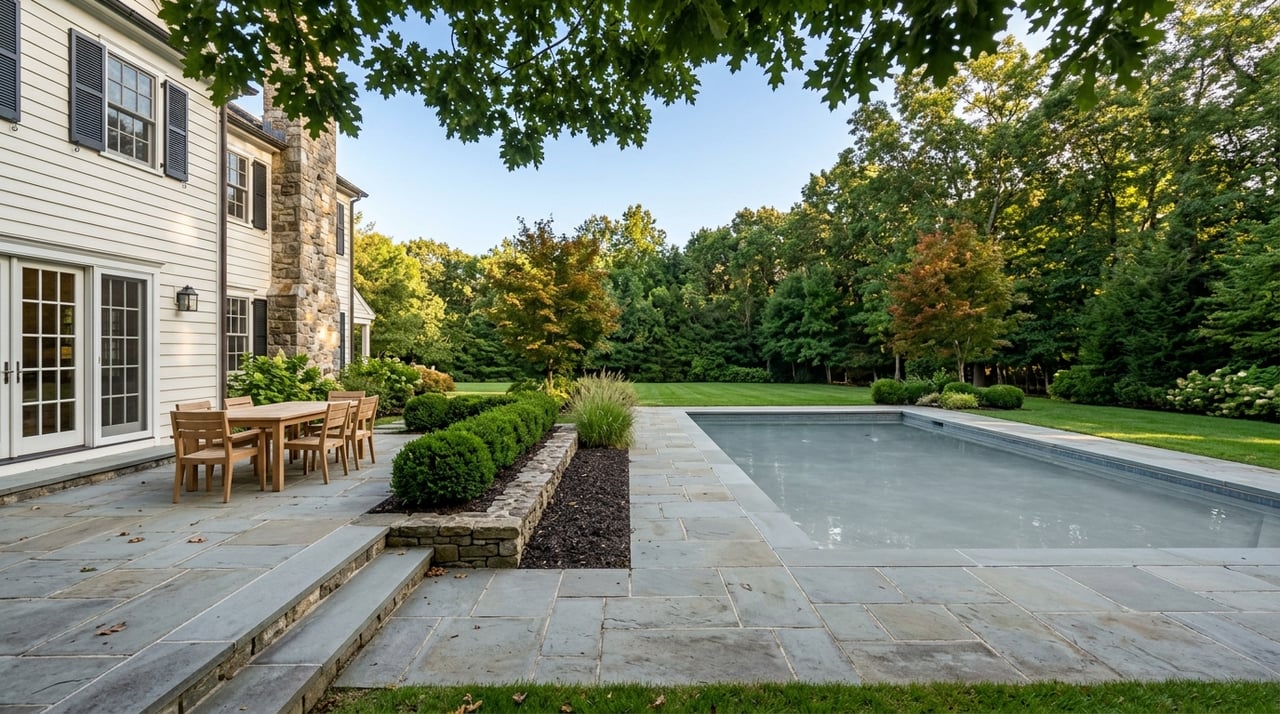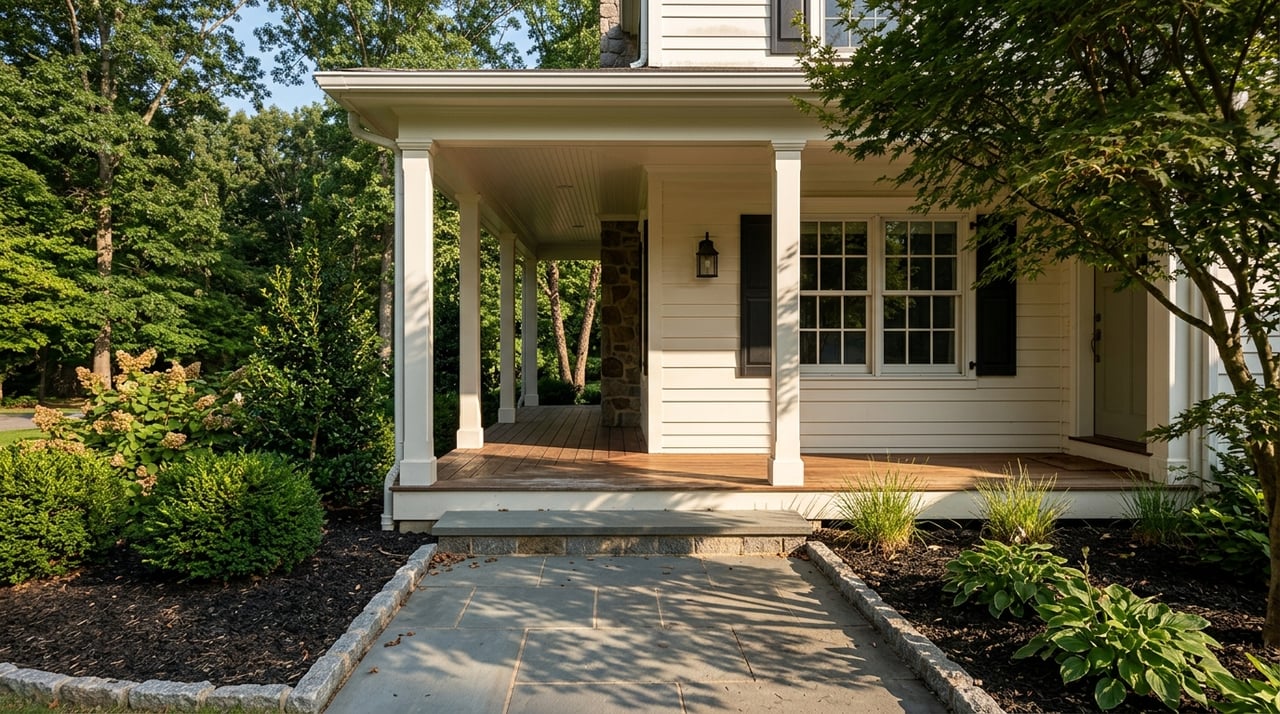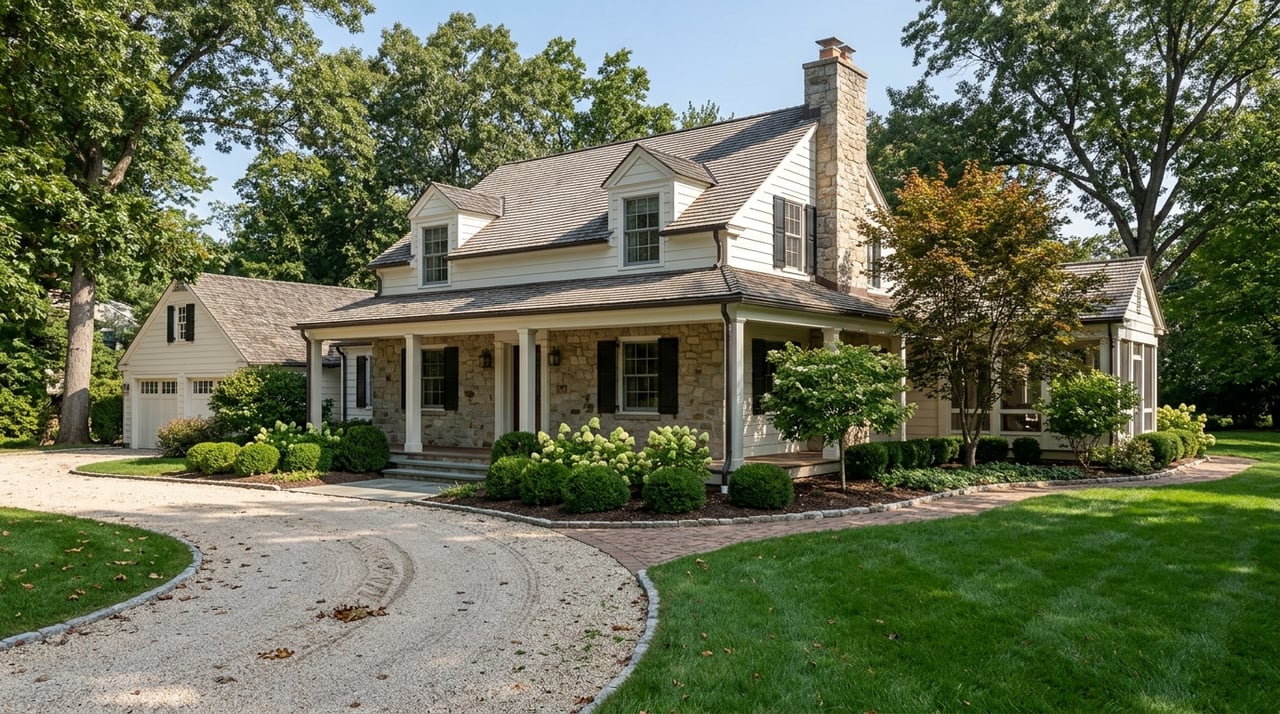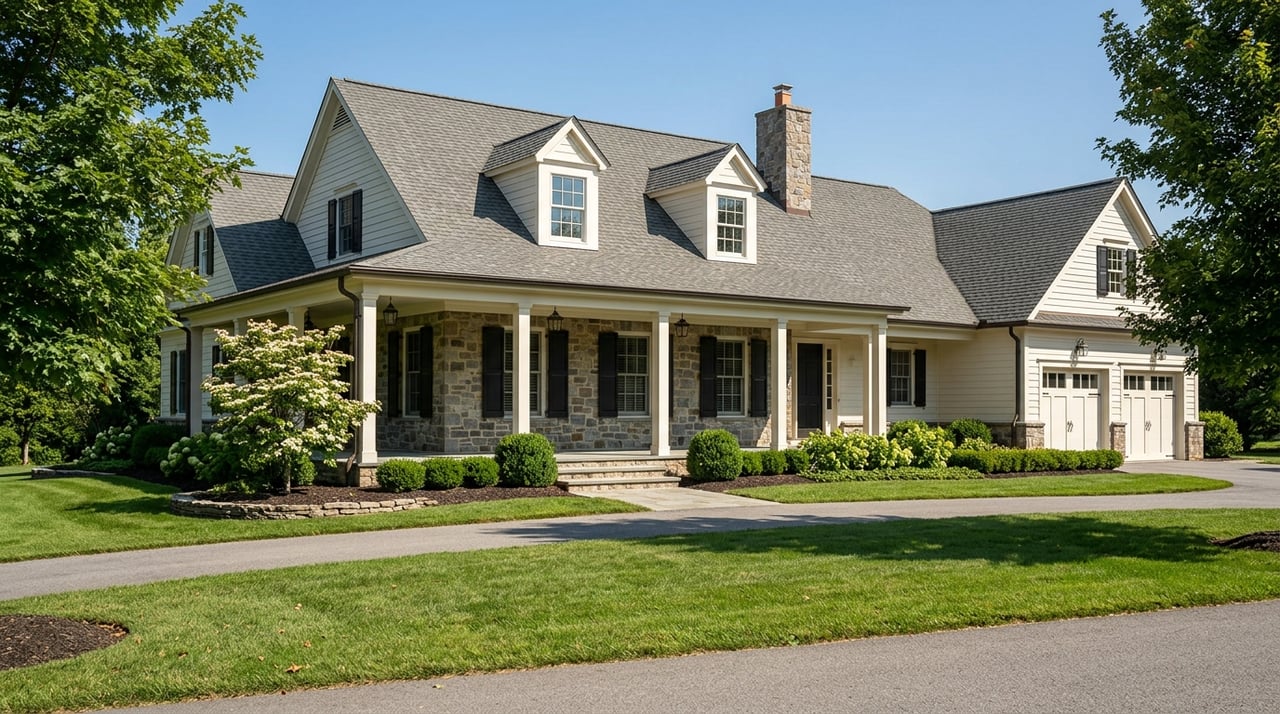
What makes a luxury home in Solebury feel unmistakably like Solebury? It is not just size, finish, or price point. In this part of Bucks County, architecture is shaped by preserved land, historic building traditions, and a quiet respect for the landscape. If you are drawn to estate properties here, understanding those design roots can help you choose a home that fits both your taste and your lifestyle. Let’s dive in.
Why Solebury Architecture Stands Apart
Solebury’s luxury housing stock feels different because the township has held onto so much of its historic and rural character. The area was first settled in the late 17th and early 18th centuries, beginning with modest log homes and later traditional fieldstone houses. Today, Solebury identifies six historic districts, four National Historic Landmarks, and more than 400 homes built in the 18th and 19th centuries.
That sense of continuity is reinforced by land preservation. About 38.5% of township acreage is protected through a mix of township, county, state, and private preservation tools. For you as a buyer, that often translates into a market defined by open space, estate settings, and homes that feel tied to the land rather than placed on it.
The Signature Styles of Solebury Luxury Homes
Fieldstone Farmhouses
If there is one architectural language that most people associate with Solebury, it is the farmhouse and fieldstone house. In places like the Upper Aquetong Valley, dispersed farmsteads dating from the 1750s sit on large historic lots, helping shape the area’s enduring estate-country identity.
These homes often carry a grounded, timeworn beauty. You may notice thick stone walls, simple massing, old outbuildings, gardens, and long views across open land. The appeal is often about privacy, acreage, and a home that feels deeply rooted in its setting.
Stone Colonials
Stone colonials bring a more formal expression of the same local heritage. Across Bucks County, many stone houses date to the 1700s and 1800s, and in Solebury they represent a look buyers often describe as classic, enduring, and full of presence.
For you, a stone colonial can offer a strong sense of permanence. These homes often attract buyers who value craftsmanship and want a property that can be updated carefully over time without losing its historic identity.
Mid-Century Modern Homes
Solebury also has an important modern design story. One of the clearest examples is the George Nakashima House on Aquetong Road, built in 1946 in the International Style with traditional Japanese elements. Its materials and design include local stone, stucco, wood, glass walls, sliding doors, low overhanging eaves, and an open floor plan.
What makes this style especially compelling is its relationship to the site. Rather than dominating the ridge-top setting, the home was designed to blend into it. If you are drawn to calm spaces, thoughtful design, and a strong indoor-outdoor connection, this branch of Solebury architecture may resonate with you.
Contemporary and Modern Farmhouse Design
Newer luxury homes in Solebury often interpret the local vernacular in a more contemporary way. A recognized Solebury modern farmhouse uses gabled forms, board-and-batten siding, standing-seam roofs, and expansive glass. Another Bucks County contemporary residence pairs panoramic meadow views with floor-to-ceiling windows and locally quarried stone walls.
These homes tend to offer a different kind of luxury. Instead of ornament, the focus is often on natural light, entertaining flow, flexible living spaces, and a closer visual connection to the surrounding landscape.
How the Landscape Shapes the Architecture
In Solebury, the setting matters almost as much as the structure itself. Preservation, rural land patterns, and estate-scale lots all influence how homes sit on the land. That is part of why even newer luxury homes often feel restrained and site-sensitive rather than oversized or overly showy.
In Phillips Mill, for example, stone walls, decorative gates, and historic buildings create a secluded enclave character. Throughout the township, architecture often works best when it respects the existing topography, mature trees, meadows, and long-established building traditions.
Choosing the Right Style for Your Lifestyle
The right Solebury home is not just about the architecture you admire. It is also about how you want to live in the space day to day.
If you want heritage and permanence
A fieldstone farmhouse or stone colonial may be the best fit if you value historic character, traditional materials, and a sense of continuity. These homes often suit buyers who appreciate restoration, craftsmanship, and estate settings with a long view.
If you want design and serenity
A mid-century modern home may appeal if you are drawn to simplicity, openness, and architecture that frames the landscape. This style often feels artful, calm, and intentional.
If you want light and flexibility
A newer contemporary or modern farmhouse may fit best if you prioritize open plans, entertaining space, large windows, and a more current finish palette. These homes can offer a cleaner maintenance profile than an 18th-century stone house, though no luxury property here is truly maintenance-free.
What to Know About Historic Review
If you are considering a property in a historically sensitive area, it is smart to understand local review requirements early. In Solebury, Carversville and Phillips Mill are the two historic districts where the Historical Architectural Review Board reviews proposed construction and renovation.
That does not have to be a drawback. For many buyers, this type of oversight helps preserve the visual integrity that makes these areas so distinctive in the first place. It simply means your renovation plans may need added care and a preservation-minded approach.
Maintenance Realities by Home Style
Every luxury home needs stewardship, but the type of work can vary by architecture.
Historic stone and farmhouse homes
Older homes reward preventive care. Preservation guidance emphasizes the value of regular maintenance, especially for gutters and downspouts, moisture control, selective repointing of masonry, and careful cleaning of historic stone.
That advice matters even more in southeastern Pennsylvania’s humid continental climate. With precipitation spread through the year and regular freezing temperatures, older masonry homes are exposed to repeated wet-dry and cold-warm cycles. In practical terms, roof drainage and water management should stay high on your priority list.
Newer contemporary homes
Newer homes may shift some of the maintenance burden away from historic masonry. In many cases, the bigger watch points are expansive windows, roof details, and mechanical systems. If you love modern design, it is wise to think not just about aesthetics but also about long-term upkeep.
What Feels Most Solebury?
There is no single answer, and that is part of the appeal. For some buyers, Solebury means a farmhouse set back behind stone walls and mature trees. For others, it means a formal stone colonial with centuries of presence, a mid-century home with quiet artistic restraint, or a newer glass-and-stone estate designed to capture meadow views.
What unites these properties is a shared respect for place. The best Solebury homes, old or new, tend to feel connected to the landscape, scaled to their surroundings, and shaped by the township’s preservation-minded character.
If you are buying or selling in Solebury, architecture is never just a style choice. It is a key part of value, story, and market positioning. A home’s design language, setting, and level of stewardship can all shape how it lives and how it is perceived in the luxury market.
For tailored guidance on historic estates, modern country homes, and distinctive Bucks County properties, connect with Lisa Frushone for a private consultation.
FAQs
What architectural styles define luxury homes in Solebury?
- Solebury luxury homes are most often associated with fieldstone farmhouses, stone colonials, mid-century modern homes, and newer contemporary or modern farmhouse designs.
What makes historic homes in Solebury so distinctive?
- Solebury has six historic districts, four National Historic Landmarks, and more than 400 homes built in the 18th and 19th centuries, which gives many properties a strong sense of heritage and place.
What should buyers know about renovating homes in Solebury historic districts?
- In Carversville and Phillips Mill, Solebury’s Historical Architectural Review Board reviews proposed construction and renovation, so it is important to factor local review into your planning.
What maintenance concerns come with Solebury stone homes?
- Historic stone homes typically benefit from regular preventive care, including gutter and downspout upkeep, moisture control, selective masonry repointing, and careful attention to water management.
What type of luxury home in Solebury is usually lower maintenance?
- Typically, the newest contemporary homes are less maintenance-heavy than older fieldstone or farmhouse properties, though every luxury home still requires ongoing care.
How much land in Solebury is preserved?
- About 38.5% of Solebury Township acreage is protected through township, county, state, and private preservation tools.